
Labor laws in 2024 are undergoing a significant shift, primarily driven by the rapid evolution of the workforce and technological advancements. The increasing prevalence of remote work, gig economy jobs, and the demand for greater work-life balance are reshaping traditional employment models. In addition, a heightened focus on employee well-being, diversity, and inclusion influences legislative changes. The aim is to achieve a delicate balancing act between protecting worker rights and fostering business flexibility to navigate the complexities of the modern economy.
Market drivers shaping labor laws are multifaceted. Economic conditions, including unemployment rates, inflation, and GDP growth, significantly influence labor legislation. Globalization and increased competition compel nations to adapt labor laws to attract foreign investment and remain competitive. Technological advancements, such as automation and remote work, necessitate updates in employment contracts, workplace safety, and data privacy regulations. Additionally, demographic shifts, like an aging workforce or increasing diversity, require adjustments to labor laws to ensure equity and inclusivity.
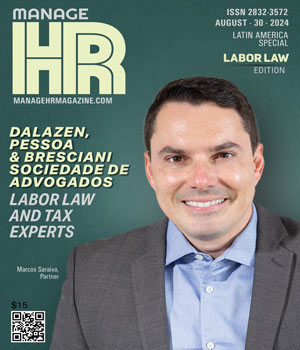
This edition of Manage HR Latin America delves into the recent developments in employment law. It showcases new and innovative solution providers that companies can partner with to better navigate the intricacies of the labor code. It features thought leadership articles from Karina Guaba, vice president of human resources at Grupo Puntacana, and Shannon Millar, VP of strategy and HR (Canada, Latin America, Caribbean) at Gallagher. Guaba highlights the importance of flexible work days and regulations that promote the well-being of workers. At the same time, Millar emphasizes adaptability in the wake of a world where technology is developing at an unprecedented pace.
In this edition, featuring the Top Labor Law Firms of Latin America in 2024, we hope you’ll find the ideal partner to serve your labor law needs and help develop a compliant workplace environment for employees.
Let us know your thoughts!